
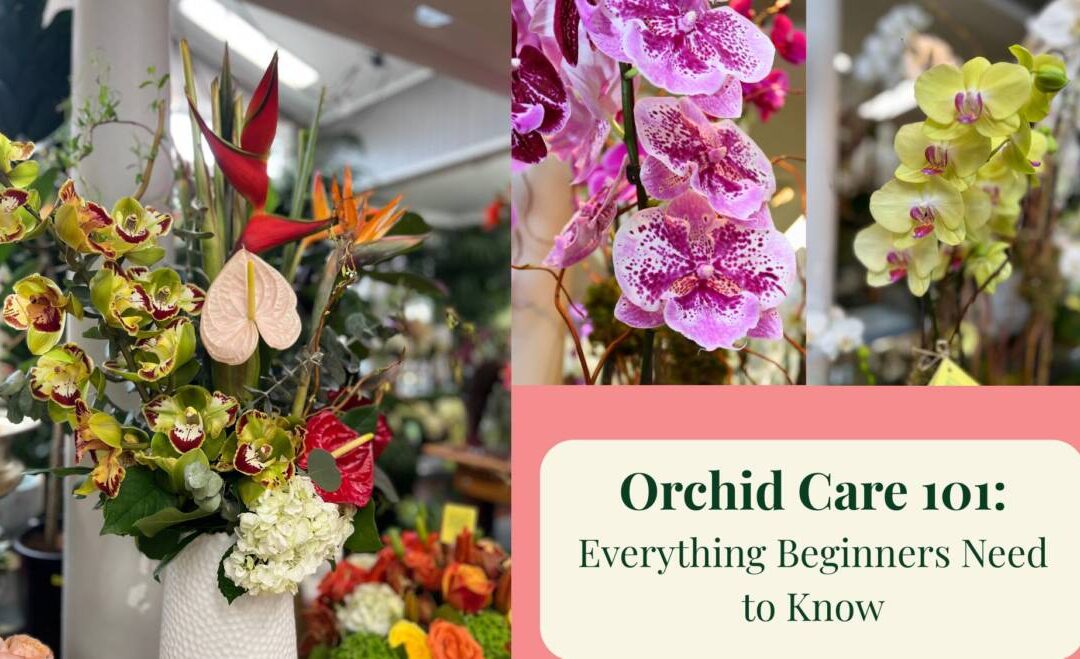
Orchids are among the most elegant and exotic houseplants, often symbolizing beauty, strength, and luxury. Yet for many beginners, the idea of growing orchids can feel intimidating. The good news? With the right knowledge and a little patience, orchid care can be simple, rewarding, and even fun.
Understanding Your Orchid
Orchid Care Light: Bright but Indirect
Watering: Less Is More
Overwatering is the number one killer of orchids. When it comes to orchid care, remember: these plants are epiphytes in the wild — they cling to trees and absorb moisture from the air and rain.
Let the potting mix dry out slightly between waterings. For most orchids, watering once a week is sufficient. Always allow water to drain completely to prevent root rot.
A good rule of thumb:you’reu’re unsure whether to water, wait another day.
Humidity and Airflow
Orchids thrive in environments with 50–70% humidity, which can be a challenge indoors. A simple way to increase humidity is to place the pot on a tray filled with water and pebbles. Just make sure the roots do not sit in water..
Proper airflow is alsocruciall forthe health ofy orchids. Avoid stagnant air and consider using a small fan nearb,— especially in humid space,— to reduce the risk of mold and pests.
Feeding and Repotting
Feeding is another key element of orchid care. Use a balanced orchidfertilizerr 20-20-20″) every two weeks during active growth periods and reduce feeding in the winter months.
Repotting should be done every 1–2 years, usually after flowering. Use a well-draining orchid bark mix rather than traditional soil, which can suffocate the roots.
Common Orchid Issues
Beginner growers may encounter issues such as yellowing leaves, lack of blooms, or root rot. These are often caused by overwatering, poor light, or improper feeding — all of which are fixable with basic orchid care techniques. If you’re not sure what is going on with your Orchid, please take itt to an expert for a quick health check — especially if it was purchased from a reputable nursery.
Where to Buy and Learn More
You’re looking for high-quality orchids and expert advice on orchid car? Look no further than River OaksPlant House’s Orchid Collection, they are the destination for premium plants and floral design. From rare varieties to beginner-friendly options, River Oaks Plant House offers a curated selection and personalized care tips to help your orchid bloom year-round.
Conclusion: Orchids Made Simple
Mastering orchids doesn’t require a green thumb — just a little attention totheir naturall needs. By understanding lighting, watering, humidity, and feeding schedulyou’llu’ll be well on your way to a thriving orchid collection.Whether you are a first-time grower or looking to expand your indoor garden, orchid care is a rewarding journey. With expert support from River Oaks Plant House, your orchids will always be in good hands.